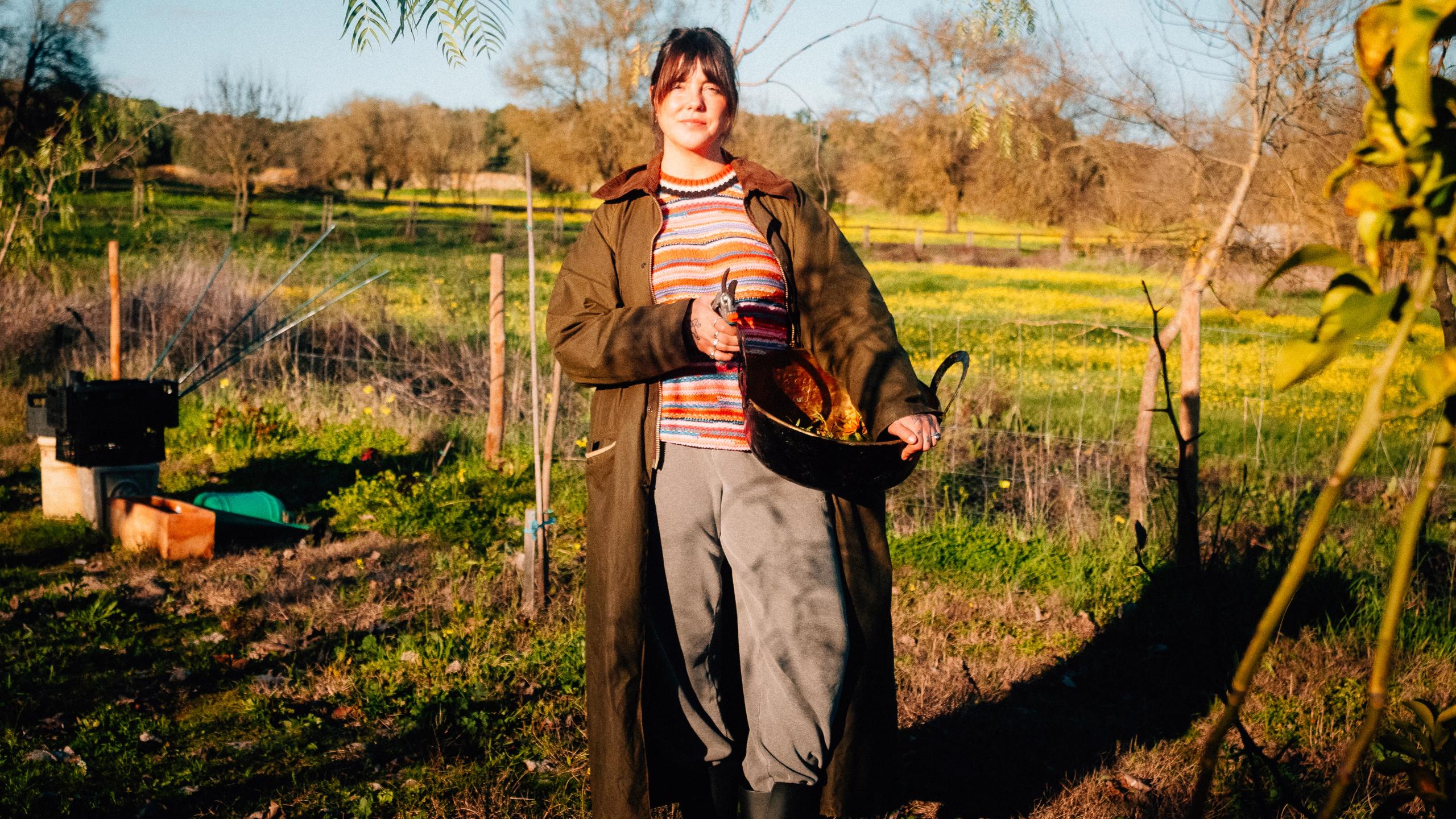
Bars can be statements, or they can be systems. In Constança Cordeiro’s work, the system is what allows the drinks to keep changing.
Over a few days spent with Constança, time unfolded across different settings. Inside Croquí during production hours. At UNI before service. Away from the city, where much of her thinking begins. Together, these moments reveal a way of working that prioritises process over presentation, and long-term clarity over immediate impact.
Constança has been working in bars for over fifteen years. At this stage, originality is no longer automatic. It requires discipline, distance, and a conscious resistance to repeating what has already worked.
From Thought to Space
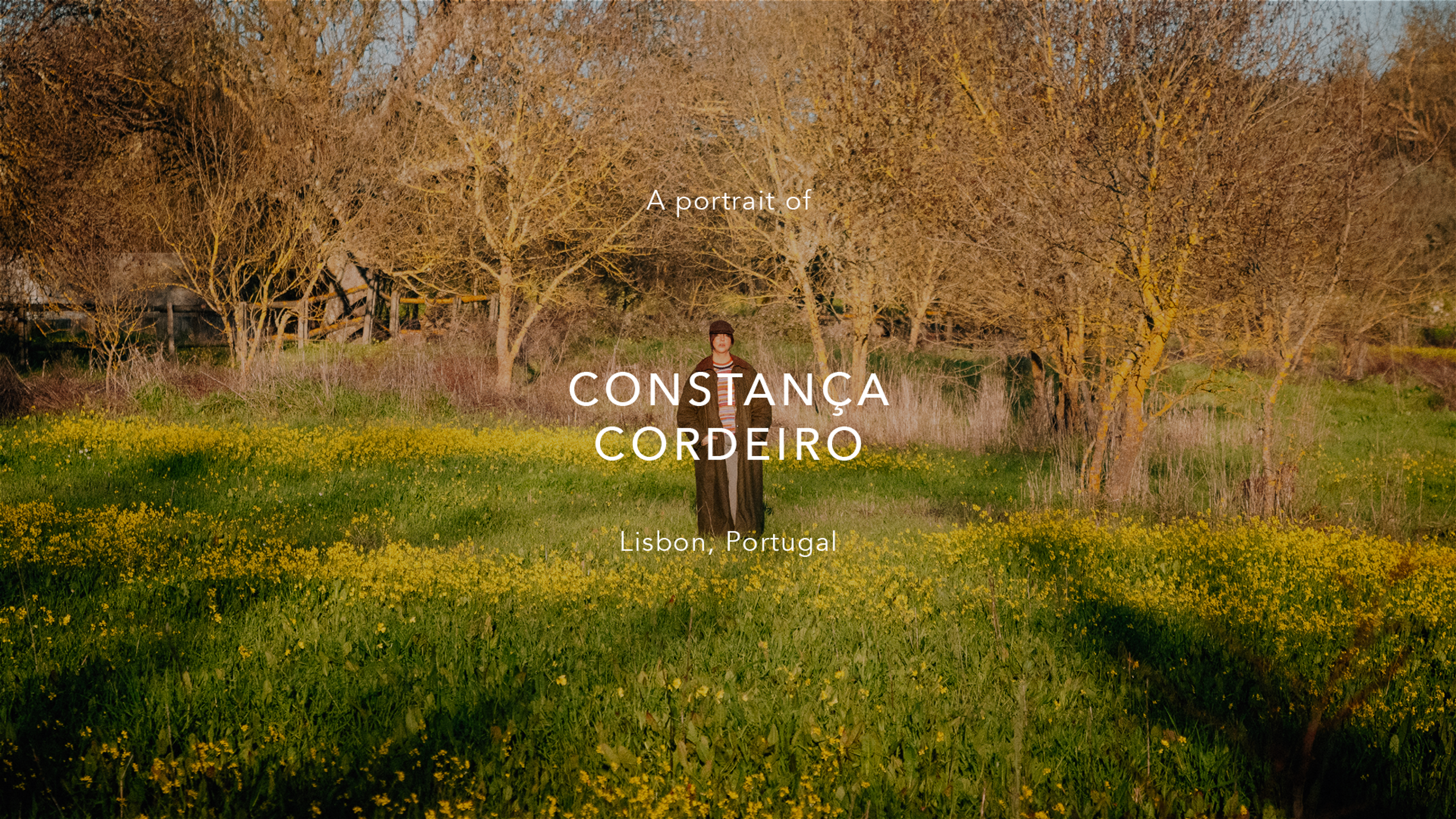
Boredom, for her, is not a lack of ideas but a method. It forces questions to be pushed further, past familiar answers and into new territory. That approach shapes the way she builds drinks, but also the way she builds spaces around them.
“Creativity doesn’t come from constant stimulation. It comes from boredom.”
Croquí | A bar designed to function.
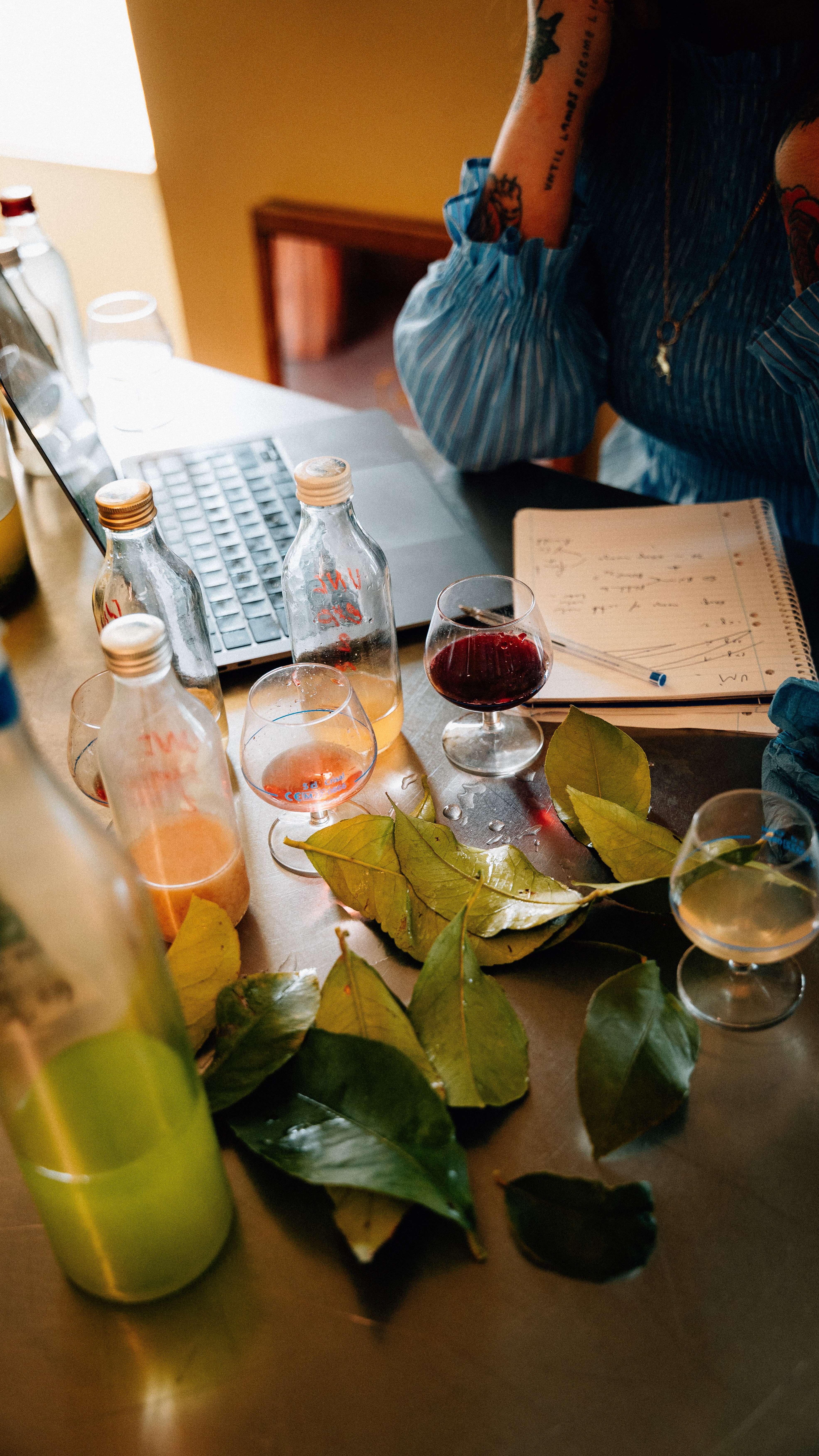
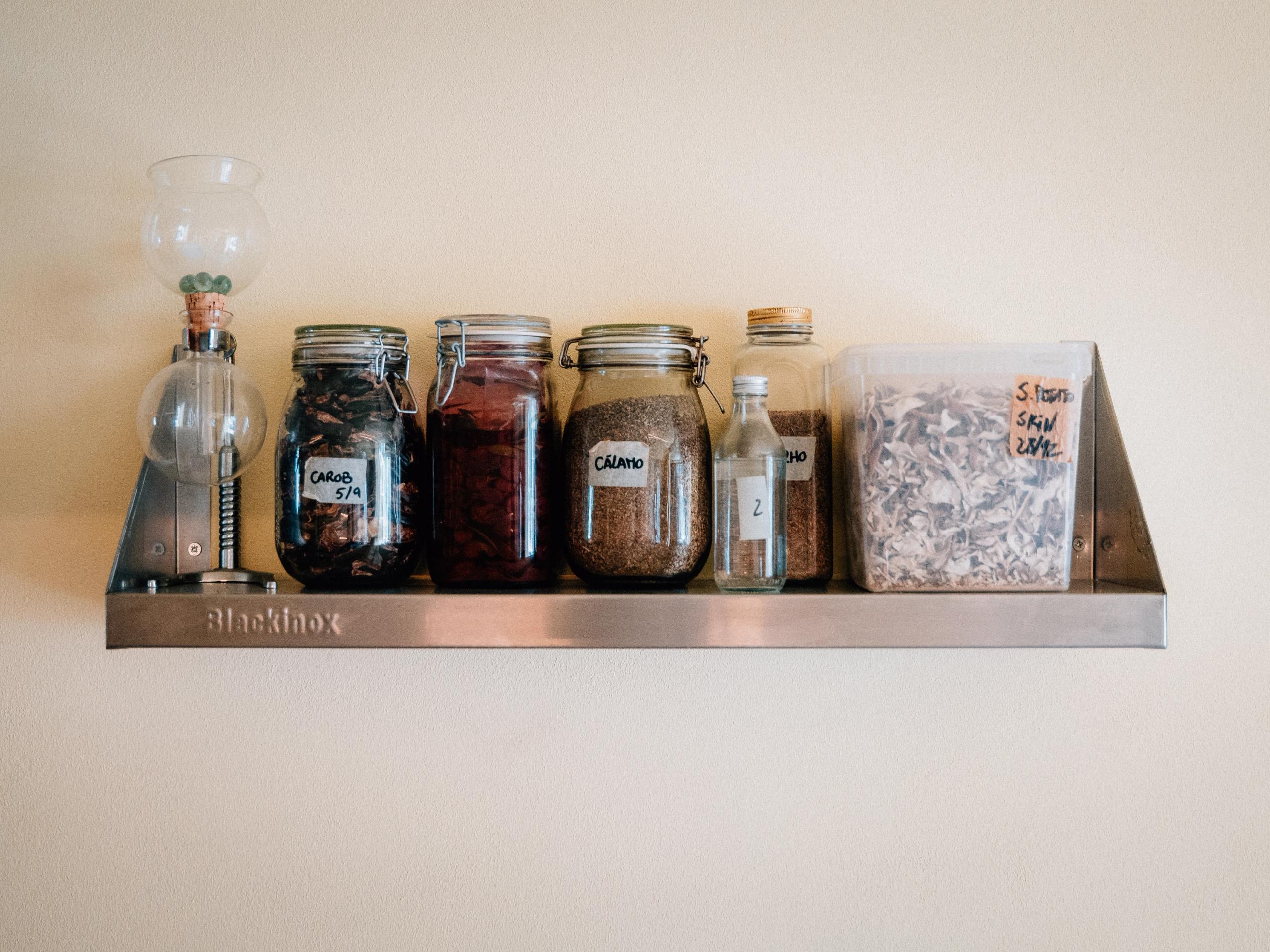
Croquí does not operate as a conventional cocktail bar. It functions as a central production space, where drinks, ingredients, and ideas are developed for her other venues, as well as for consultancy projects, workshops, and events.
The name is deliberate. “Croquí literally means a sketch. Nothing here is ever final.”
During the day, Croquí works as a lab. Recipes are tested, adjusted, sometimes abandoned. Ingredients are processed and refined. In the evening, the space opens to the neighbourhood, informal and unpretentious, reflecting that same state of ongoing revision rather than a finished product.
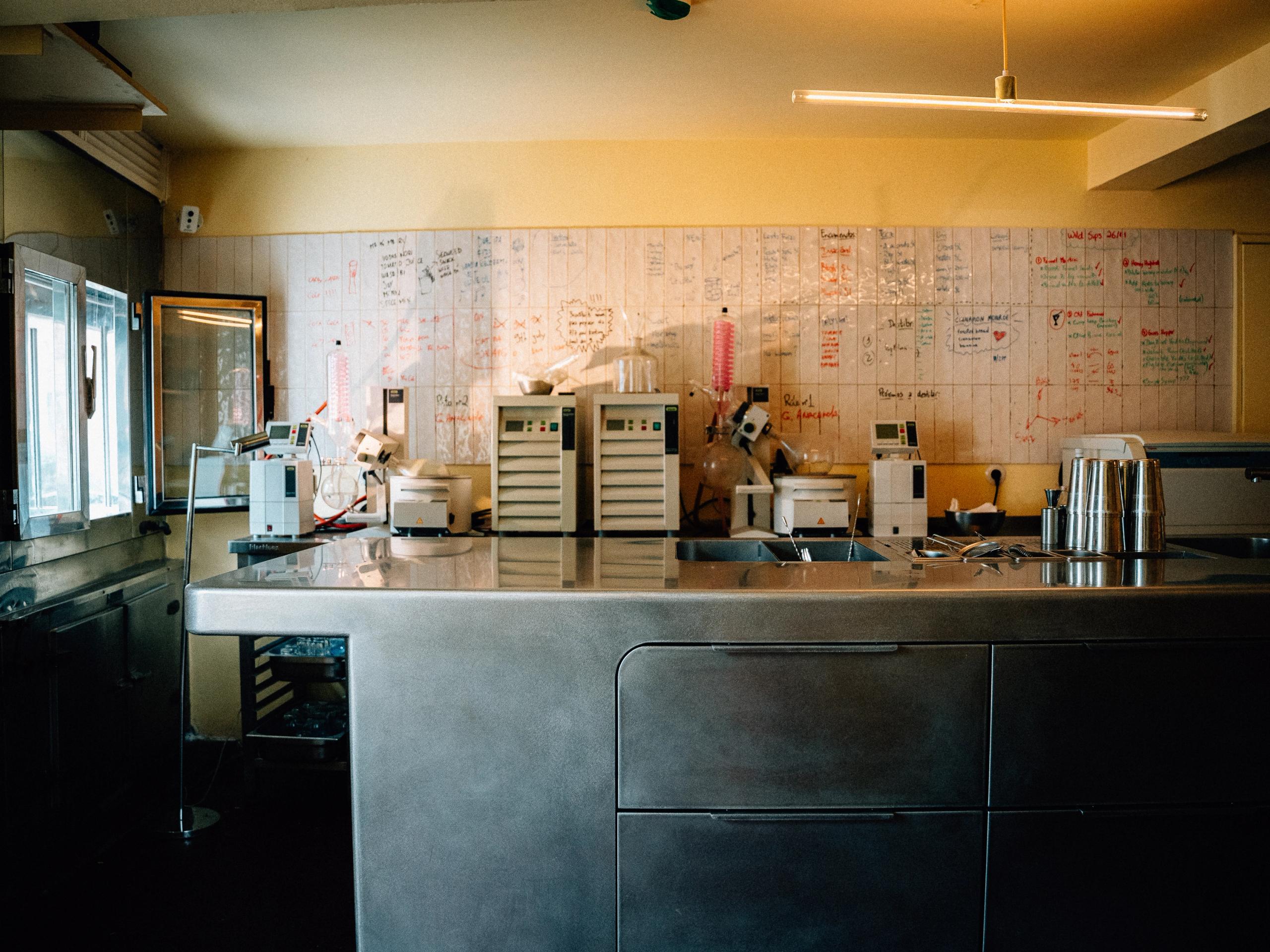
Because of this dual role, the bar itself could not be treated as a decorative centrepiece. Developed in close collaboration with Behind Bars, the station at Croquí was conceived as a working system. Flow, durability, and adaptability were prioritised so daily production could happen efficiently and repeatedly, without friction.
Here, the bar is not there to perform. It is there to support work.
For the industry, Croquí offers a clear example of how a space can operate as infrastructure rather than spectacle. A place designed to sustain creativity, not frame it.
UNI | A space built around the drink.
If Croquí is where ideas are developed, UNI is where they are presented without explanation.
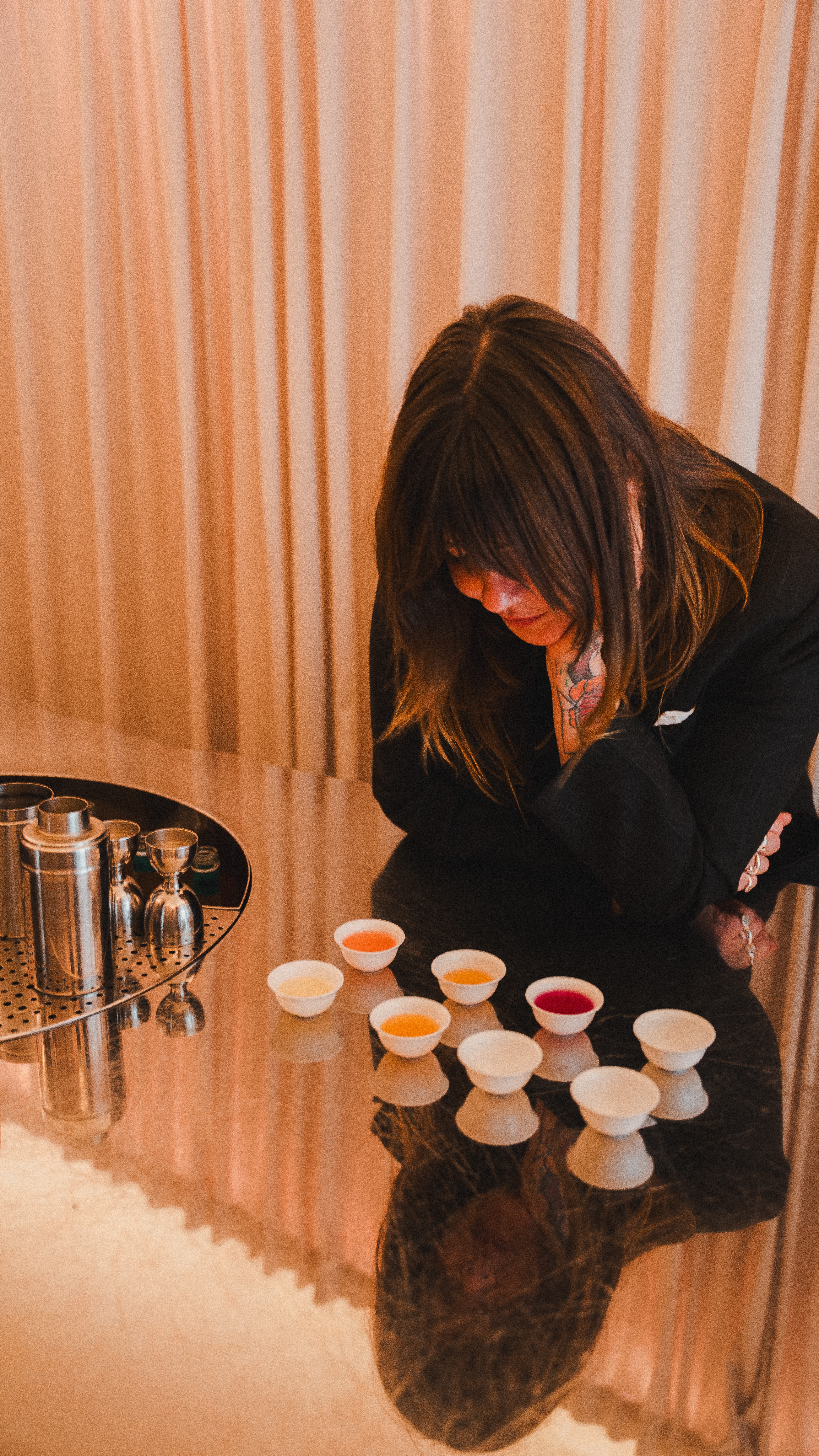
UNI takes a deliberately different approach to cocktails. There are no ingredient lists and no narratives guiding the guest. Drinks arrive as complete compositions, intended to be experienced as they are, without being broken down or justified.
“How do you create something that doesn’t exist?” That question shaped UNI from the start. Not as a theme, but as a working condition.
The interior architecture, developed with XXXI Studio, is restrained and deliberate. The space is reduced to its essentials, allowing focus to remain on what happens at the bar rather than around it. Nothing competes for attention. The room sets the tone, then steps back.
At the centre of UNI sits the bar station. Designed and delivered with Behind Bars, it emerged through a rare kind of process, where the bartender’s workflow and the architectural language were developed together as one central piece. Rather than being added after the fact, the station was conceived as part of the space itself.
“You need structure, but you can’t know where you’re going.”
UNI doesn’t rely on explanation to communicate its intent. The space, the bar, and the drinks operate together, leaving room for interpretation rather than directing it.
Nature as part of the system
Outside the city, Constança spends part of each week on her farm, where she grows and forages many of the ingredients used across her bars. This is not a parallel life. It is part of the same working structure.
Nature offers distance and rhythm.
“I think better when I’m in a big space, in nature.”
That distance feeds back into the bars. When the workspace is intuitive and reliable, creative energy is freed to exist elsewhere. Systems in the bar allow thinking to happen beyond it.
The role of the bar, in this context, is not to demand attention, but to quietly enable what happens around it.


Authenticity isn’t about taste. It’s about standing by what you believe in.
Ready to build your bar?
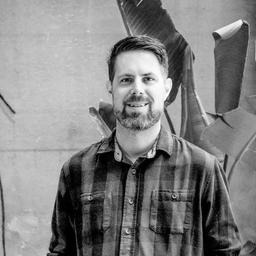

Projects with Constança Cordeiro
Bespoke bar stations developed for Uni and Croqui, shaped through close collaboration and tailored to how each space operates. Two projects supporting everyday service, production, and experimentation within the broader architectural and operational thinking.

